Back in the 1970s photography used to be a precious art form. Even to the amateur the process of taking a picture would involve considering framing and exposure, the best light and the best angle. Film was expensive. The result often took days to see. I think a lot of the attraction of photography was the kit. Big cameras with motor drives. Long lenses and tripods. As a teenager I always wanted a Nikon. An F3 or at least an FE2. Rolls of 35mm Ekta chrome. I aspired to be the next Don McCullin. Hoped to create dramatic grainy B&W pictures capturing the horrors of life.
I never had the budget for a Nikon. But with my budget SLR (it was a Fujica STX-1 a very generous gift from my parents) I wandered the streets looking for the great shot. I bought bulk film and built a darkroom. I never found that great shot and ended up with a lot of pictures of ducks, trees and flowers!
With the reflection of age and maturity its clear that experience taught me was that the great photo wasn’t going to appear just because I was walking around with my camera looking for it. It was in my ability to see the world around me. It was about how I was looking rather than what the world was presenting. I think that is why travel is such an inspiration and where people take their best photos. We open our eyes to a different world and see new sights.
The kit is changed. The miniaturisation of the camera and colour darkroom into a pocket phone still amazes me. Photography has become free. Its accessible to everyone and everyone is doing it all the time. I guess it must be the most popular hobby on Earth.
To find amazing photography used to require a trip to a gallery, a library or buying a copy of National Geographic. The number of images we are now bombarded with is phenomenal. I wonder how many photos we see and process a day. There are lots of images on the likes of Instagram, Pinterest and the internet. The visual qualities are often stunning. We have grown accustomed to the digital tricks that don’t even require the seriousness of RAW and post production with photoshop or other sophisticated software.
For the last few years I have predominately relied on iPhone-ography for the convenience and minimal effect on quality. I carried my micro 4/3 Lumix GX1 but didn’t use it. I have a Nikon D90. I rarely use either. both are outdated yet more sophisticated than anything that came before.
The mobile phone is so ubiquitous yet discrete that it is a perfect tool for candid and street photography. It’s a travel essential. Its free and it allows easy post production, copying and distribution.
What I think is lacking in modern photography is the meaning. It’s all bit too easy. The great photographers had a reason for taking a picture. Not just random snapping until a good image appears. Even if its no good a few minutes of manipulation and its a great backlit, phone display picture.
The greats may have selected shots and done clever darkroom tricks but underneath it there was a story. A reason. A thought process. There is nothing wrong with pretty, funny or appealing pictures that stand on their own but great photography never seemed to be a lazy art form.
In recent years as my computer drives fill with images I had become dissatisfied with the standalone image side of photography. Where is the meaning, the message, the reason for the picture?
I’ve started putting words to some of them. Not all. some stand alone as a pleasing image.
Others need context, be it real or fictitious. It’s made a big difference to the way I look and see. Am I taking a picture to write a narrative to or to complement something that is written?
What does the picture need to say to justify itself. What needs to be said to justify the picture?
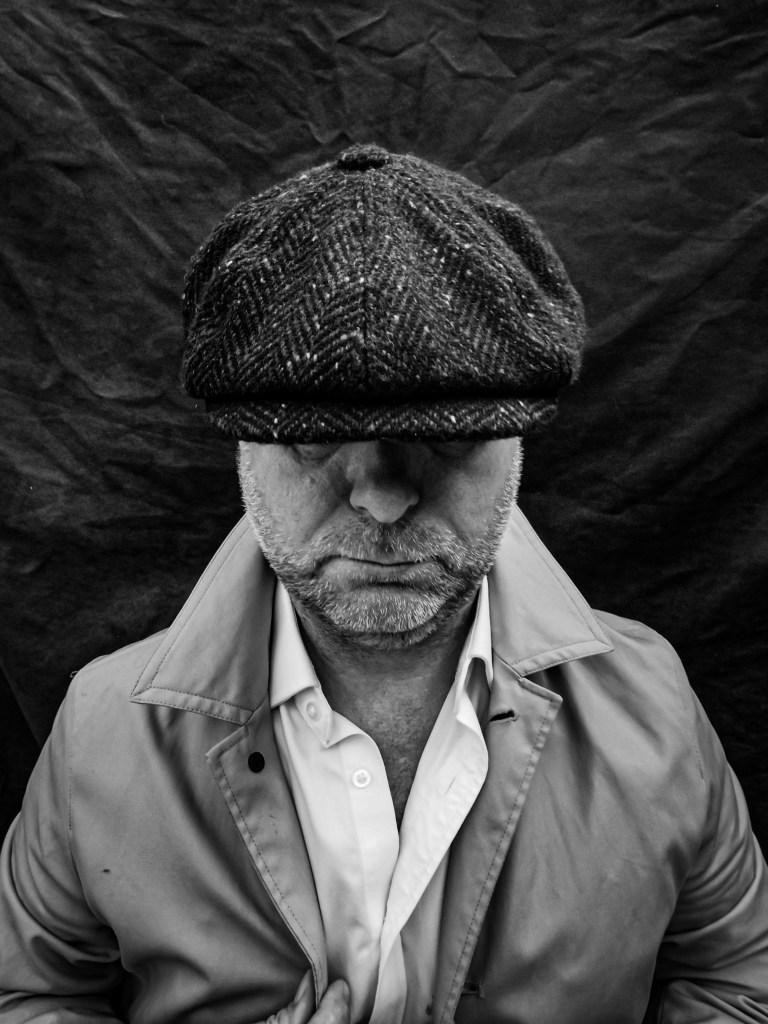
Look at the picture. Read the words. Look at the picture again. Think.
To me that makes the difference between a snapshot and a proper photograph.
Whilst an image might replace a thousand words a handful of words can make an image.
 Nick Inston