Wim Wenders classically said that “every photo, every once in time also the beginning of a story starting ‘once upon a time’ …. Every photo is the first frame of a movie”
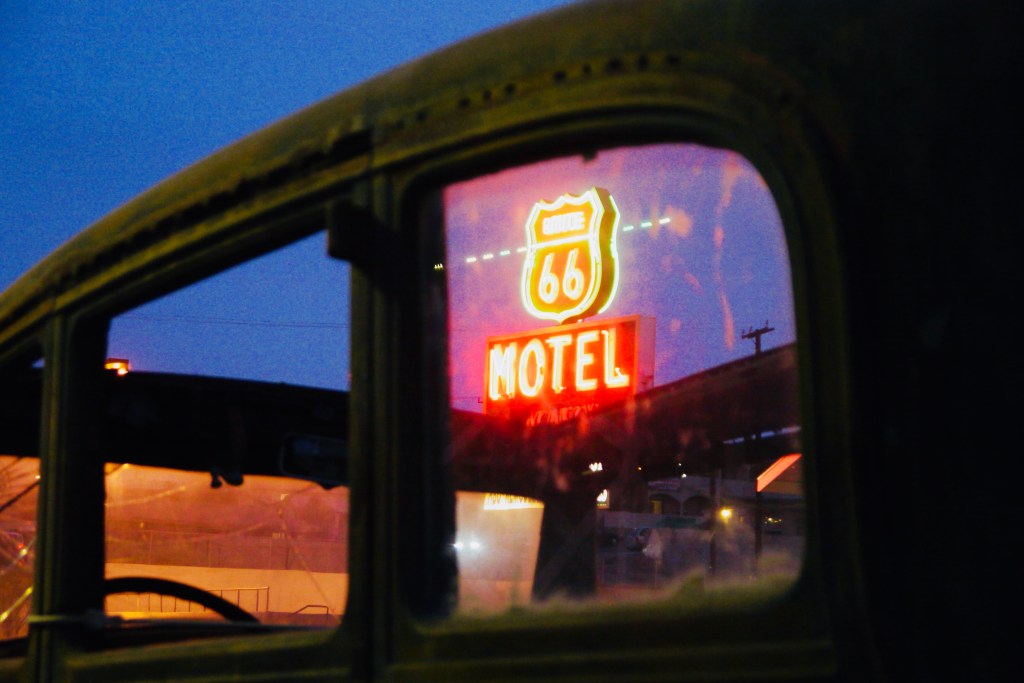
Every photo is the first frame of a movie
Wim Wenders
The parallels between cinema and photography are obvious, in fact much of our perception of the world beyond our own experience is from these two media.
Prior to photography the world of art was largely based on imagery from the mythical and biblical writings.
From its invention photography first became a medium of documentary. A magical technical advance that became proof of existence.
The ability to manipulate the image allowed stories to be illustrated, be it the ghostly images of Victorian spiritualism or the galloping horse of Eadweard Muybridge.
A single photograph becoming a series of pictures through to moving pictures (movies) introduced the opportunity to take the story from the written or spoken word to the visual.
Photography preceded cinema, but does this imply that photography is the parent of cinema?
David Campany
The relationship between cinema and photography, between moving and still images is best summed up by the term Lens based media. The two are inseparable siblings.
There are two people in every photograph: The photographer and the viewer”
Angel Adams
What do we mean by cinematic?
Photography is truth. The cinema is truth 24 times per second
Jon Luc Godard
The overlap between “art house” cinema and photography is clear. Both media borrow from each other.
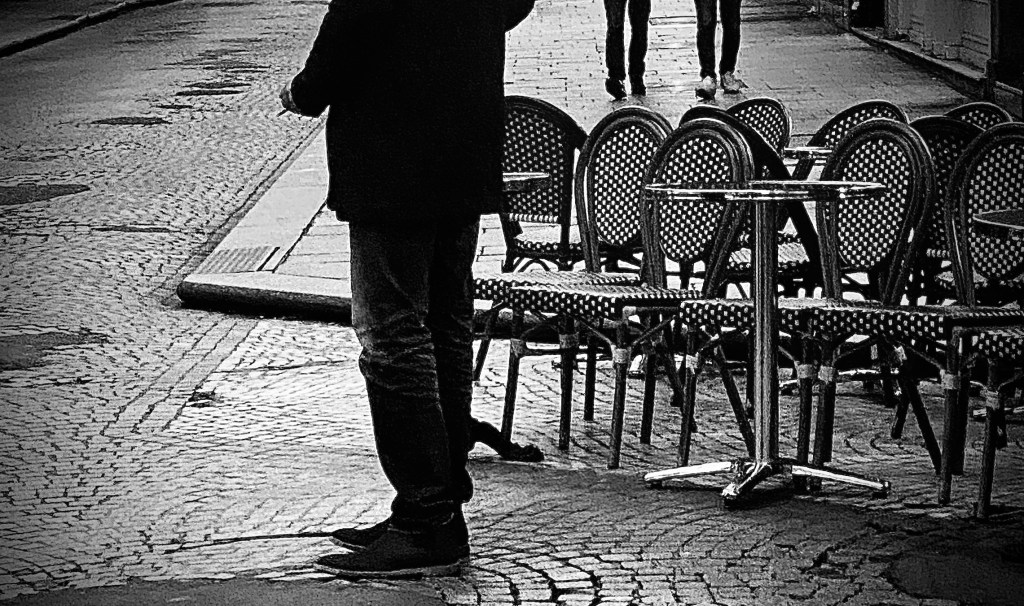
Whether highly constructed scenes or the cinema vérité. The example of influence seen from movies of the French Nouvelle vague being influenced by the modernist photographers and consequently future photographers emulating the Paris of Godard or Truffaut.
It may seem easy to define cinematic photography as a style of photography that emulates stills or frames from movie scenes. A look of a screen grab from a film.
The variety of movie styles makes this a wide genre. From the look of early B&W through to the modern SFx blockbusters.
“Most of us do not consciously look at movies”
Roger Ebert
Some cinematic photos are clearly intended to look like a particular style, copy a certain director. An example is the now popular movement @accidentallywesanderson (AWA) which takes the directors classical look and curates an online collection.
Other pictures have a clear cinematic look but not obviously attributable.
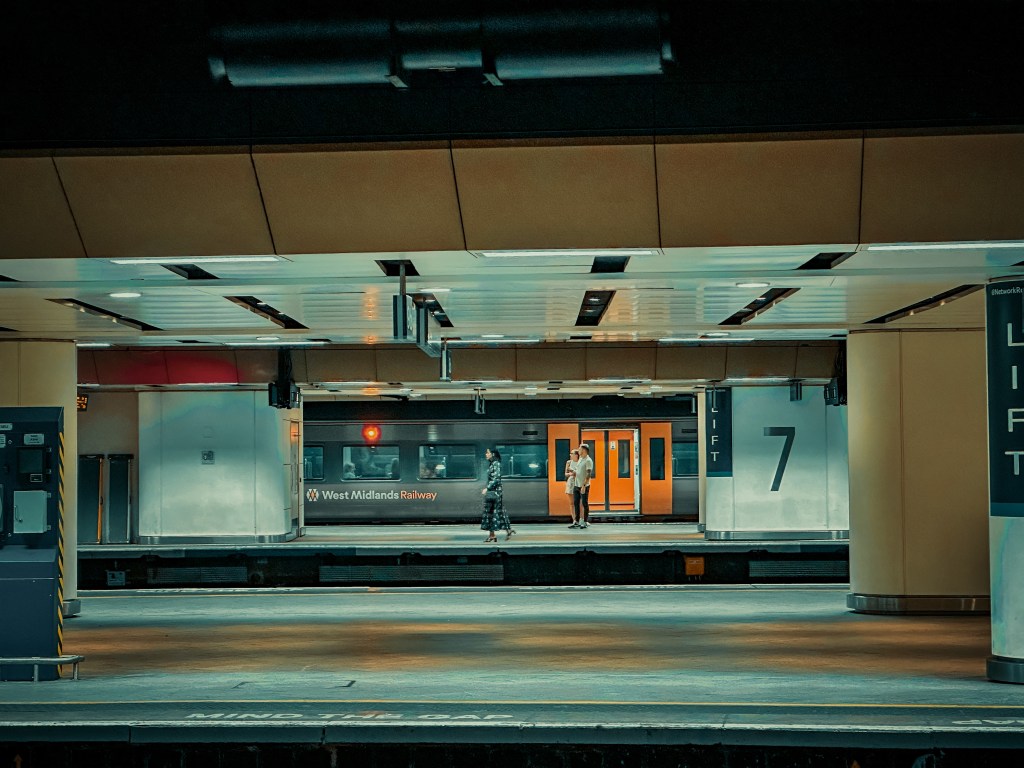
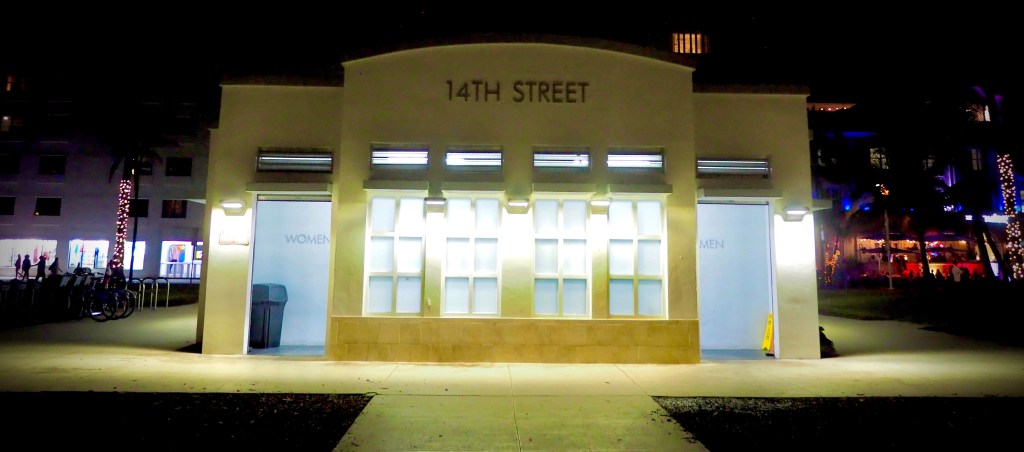
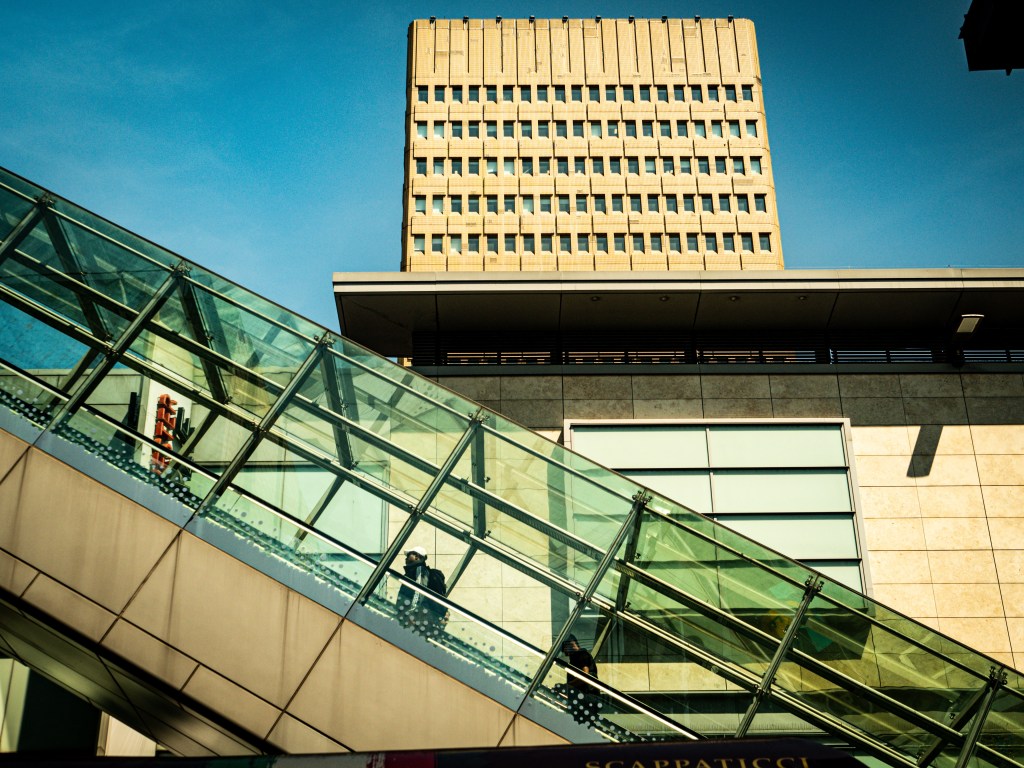
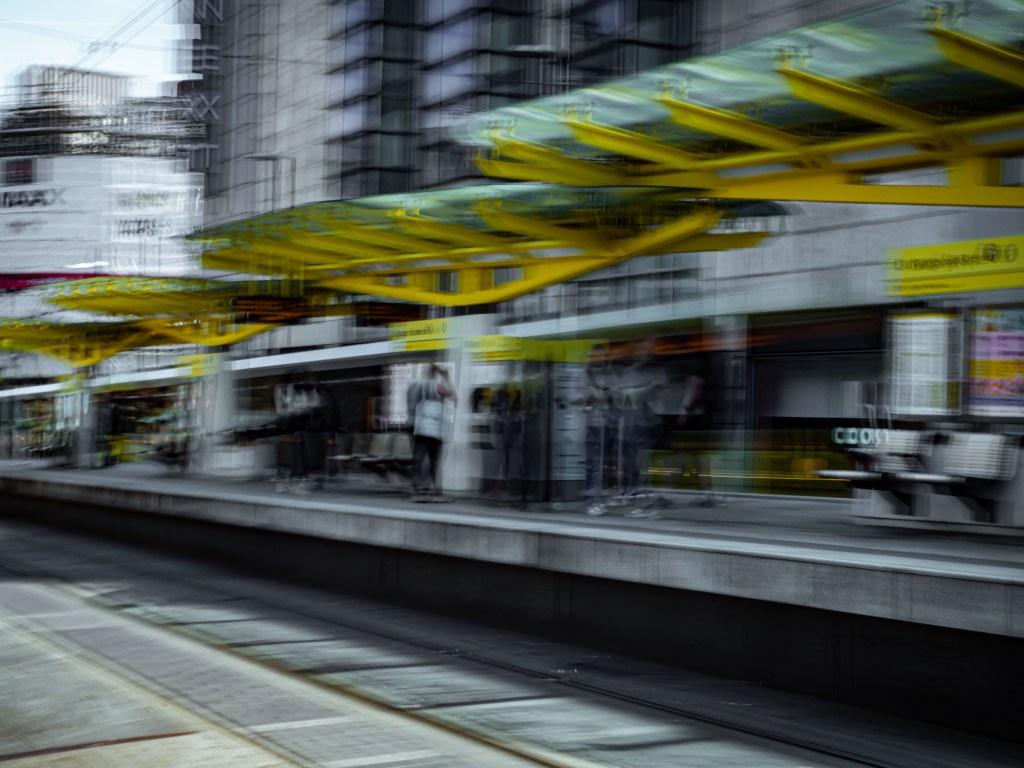
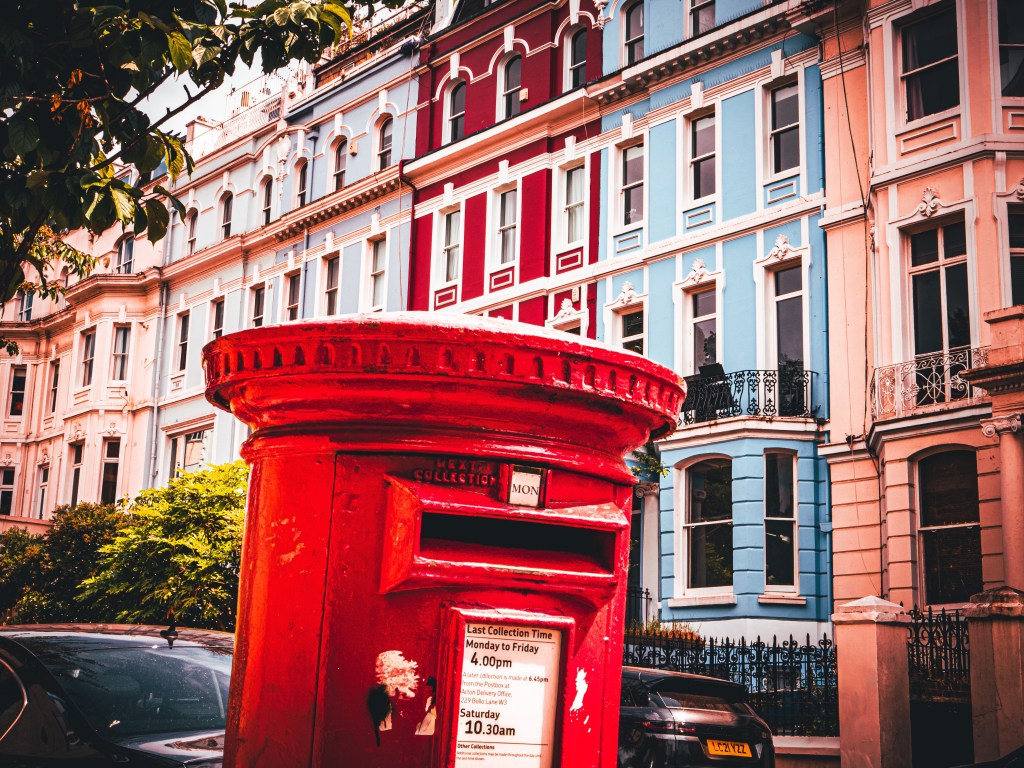
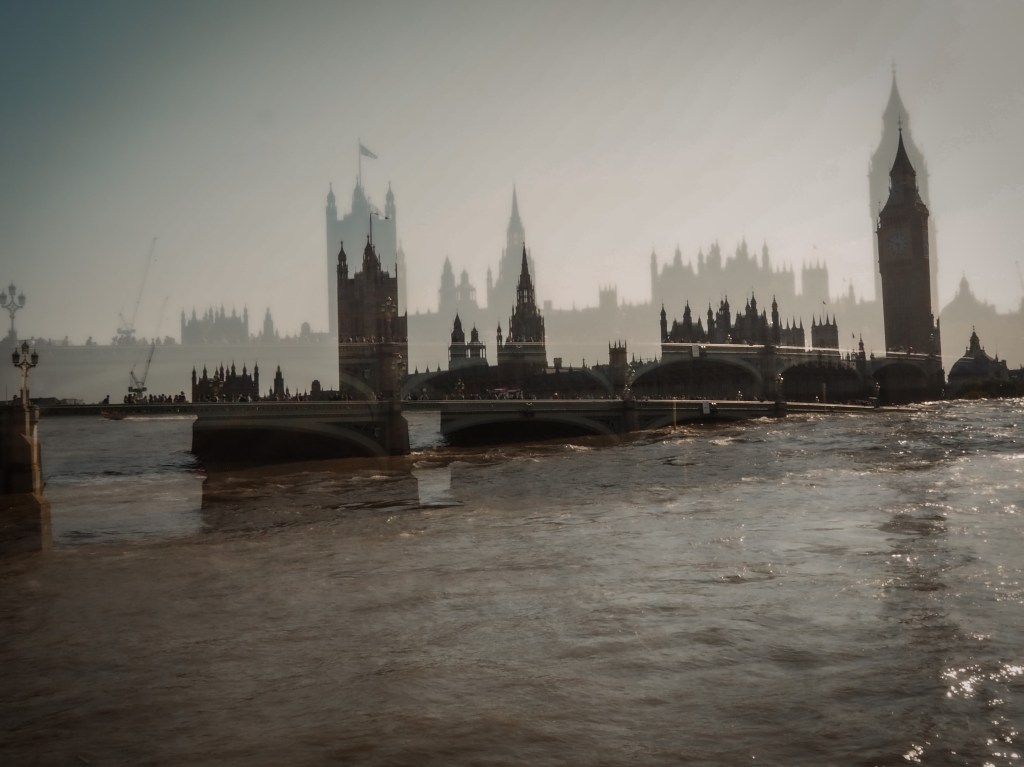
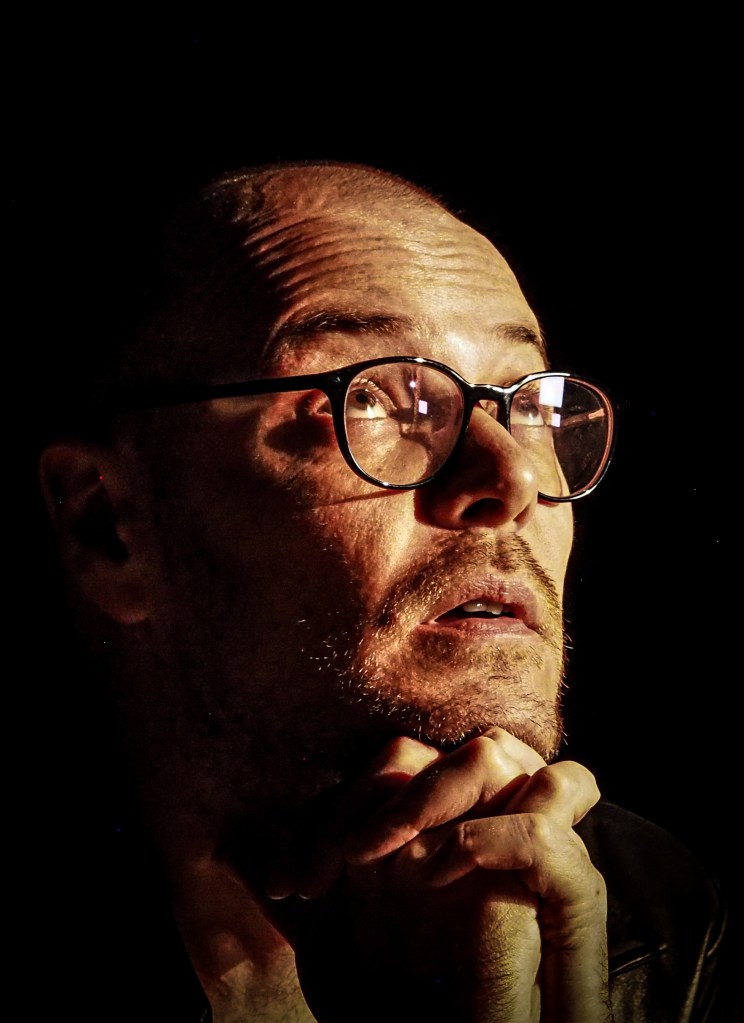
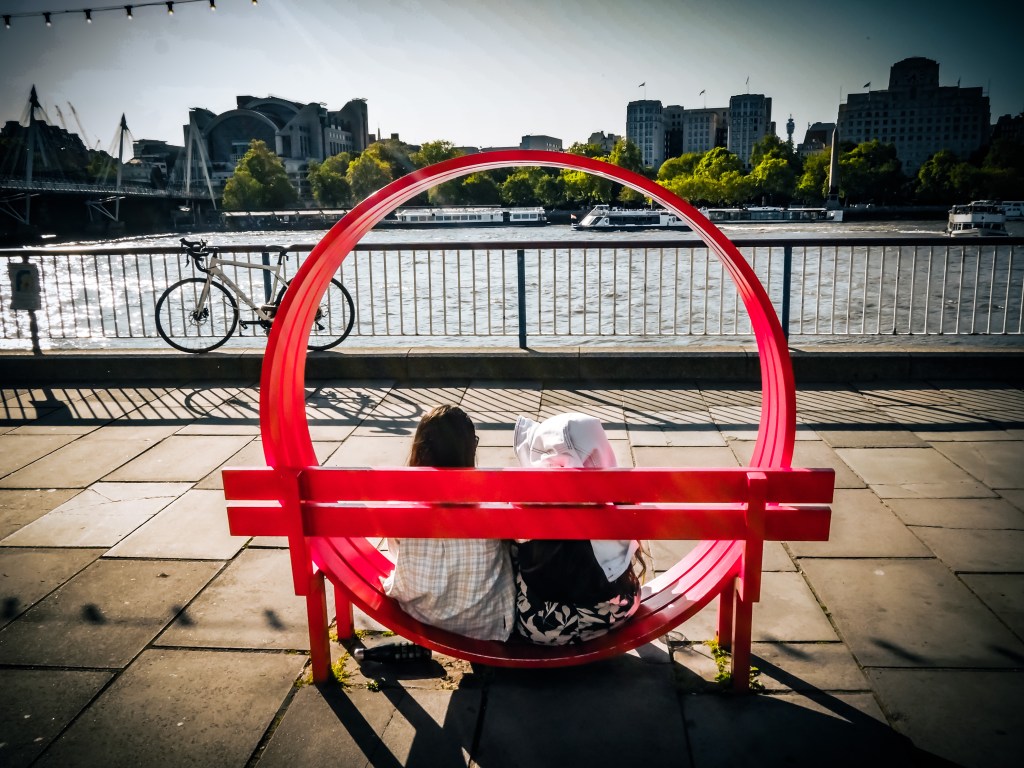
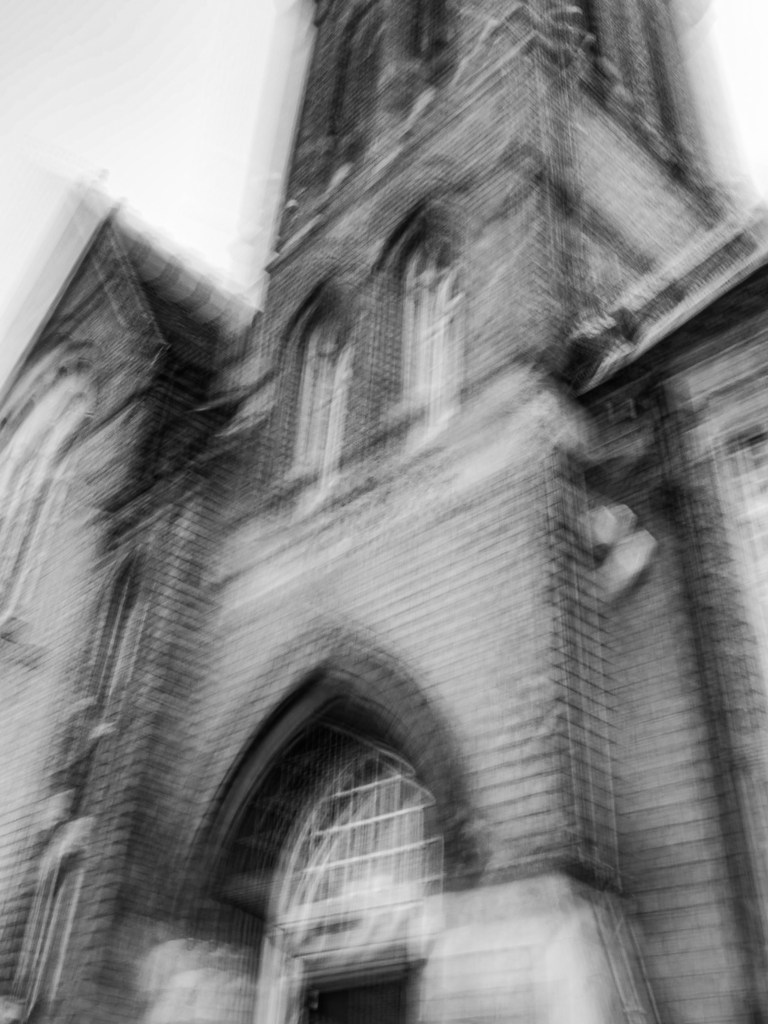
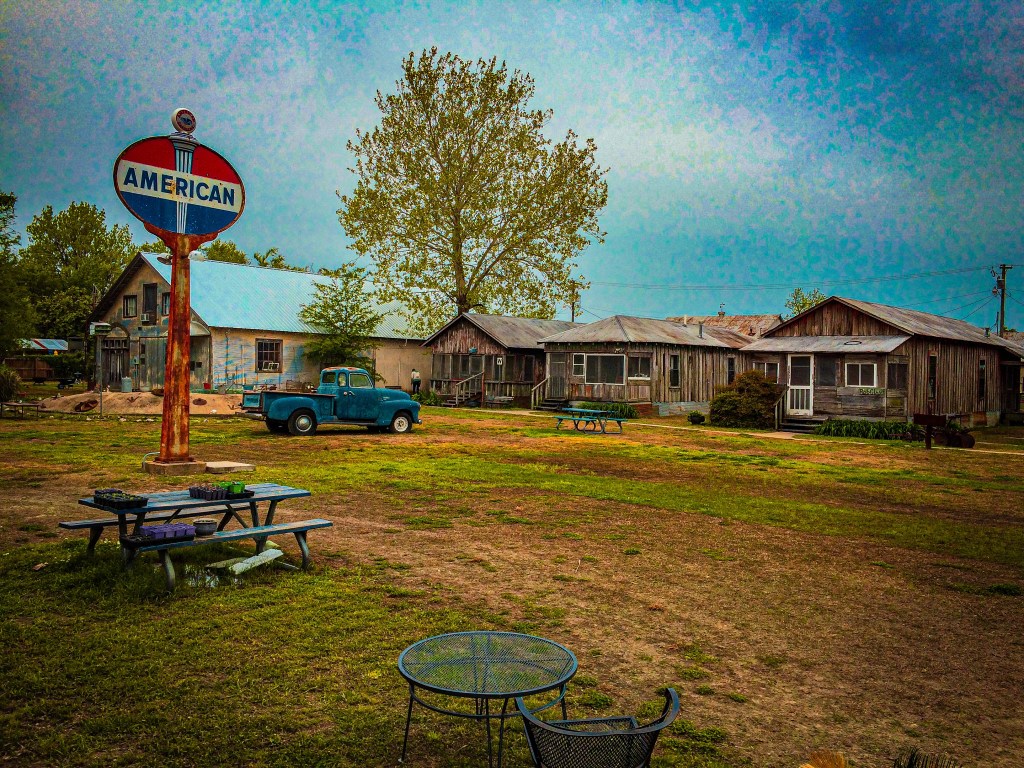
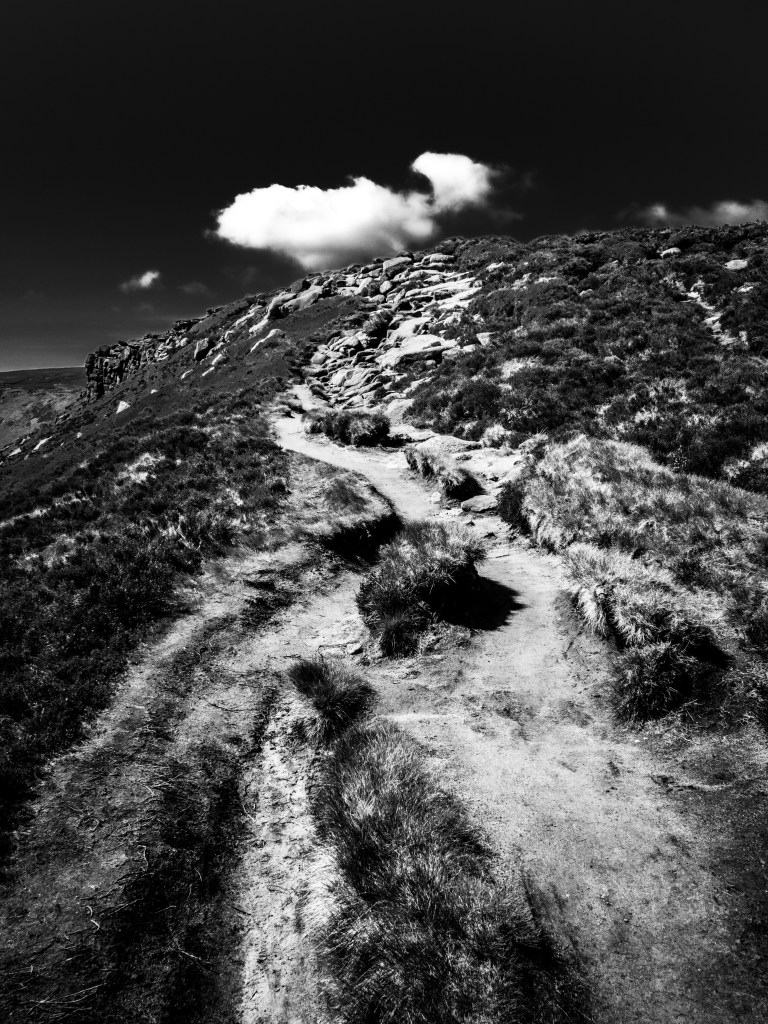
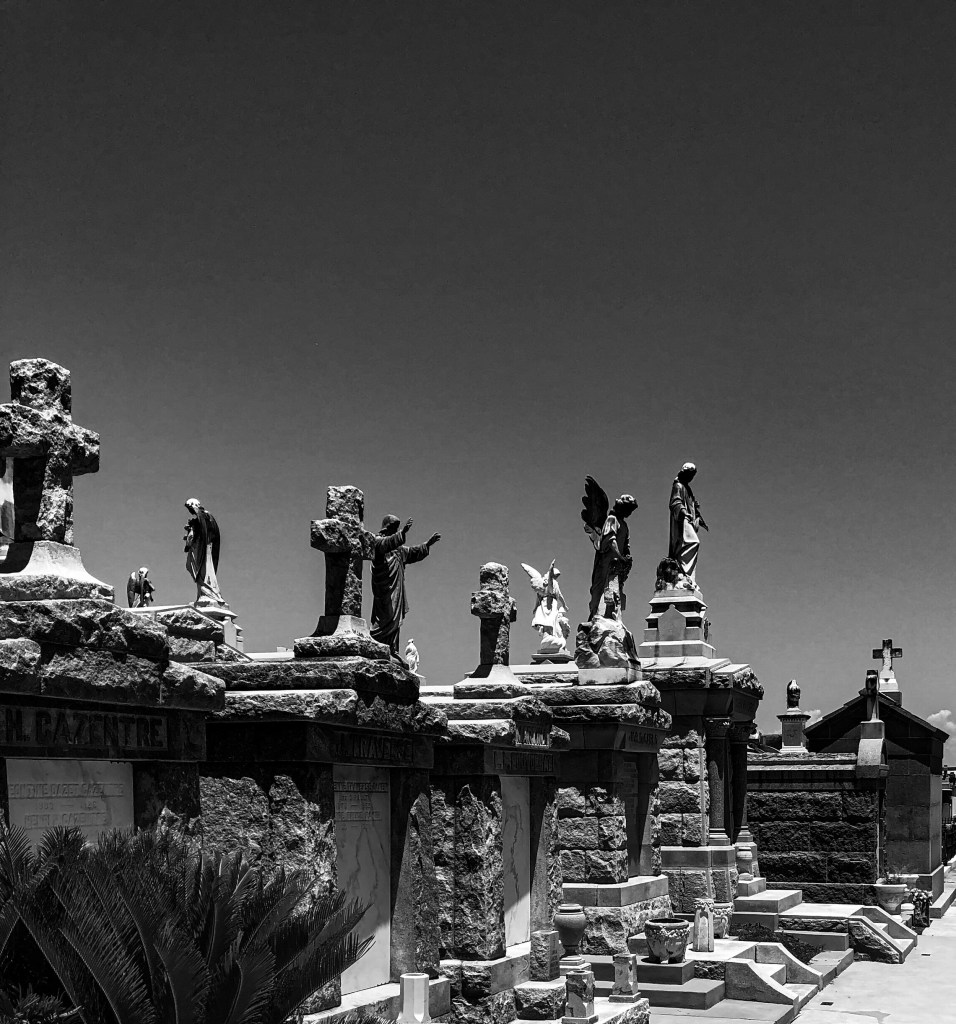
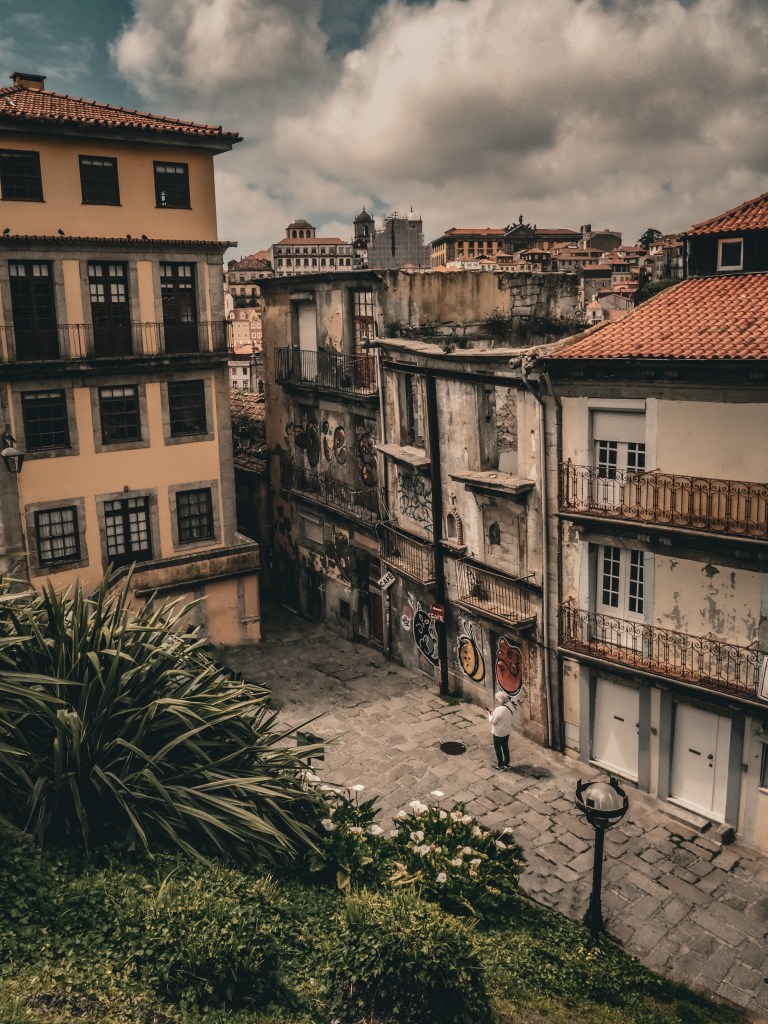
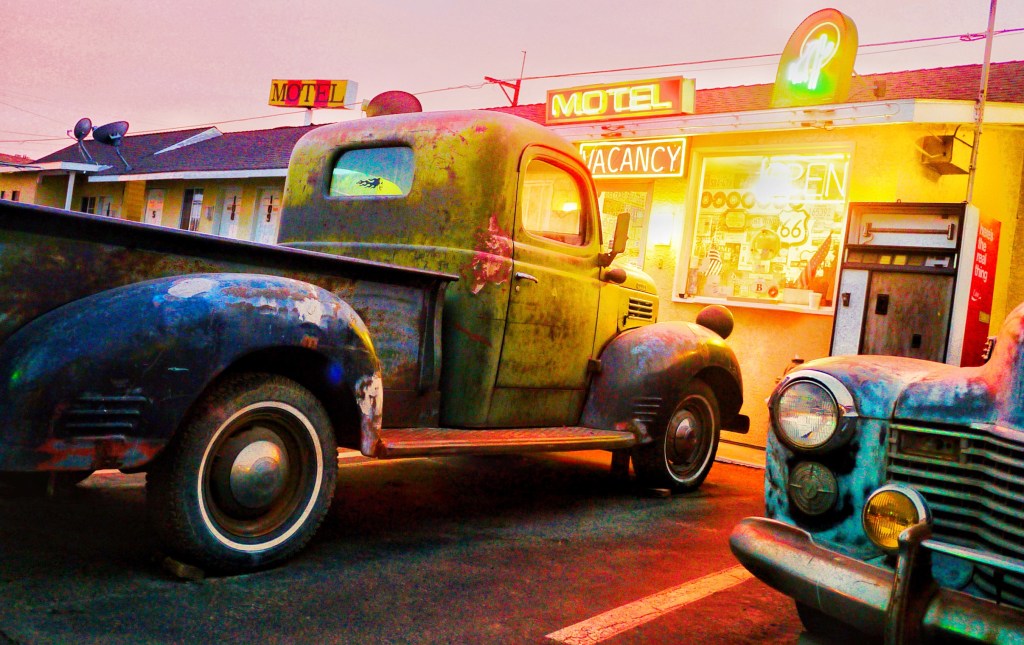
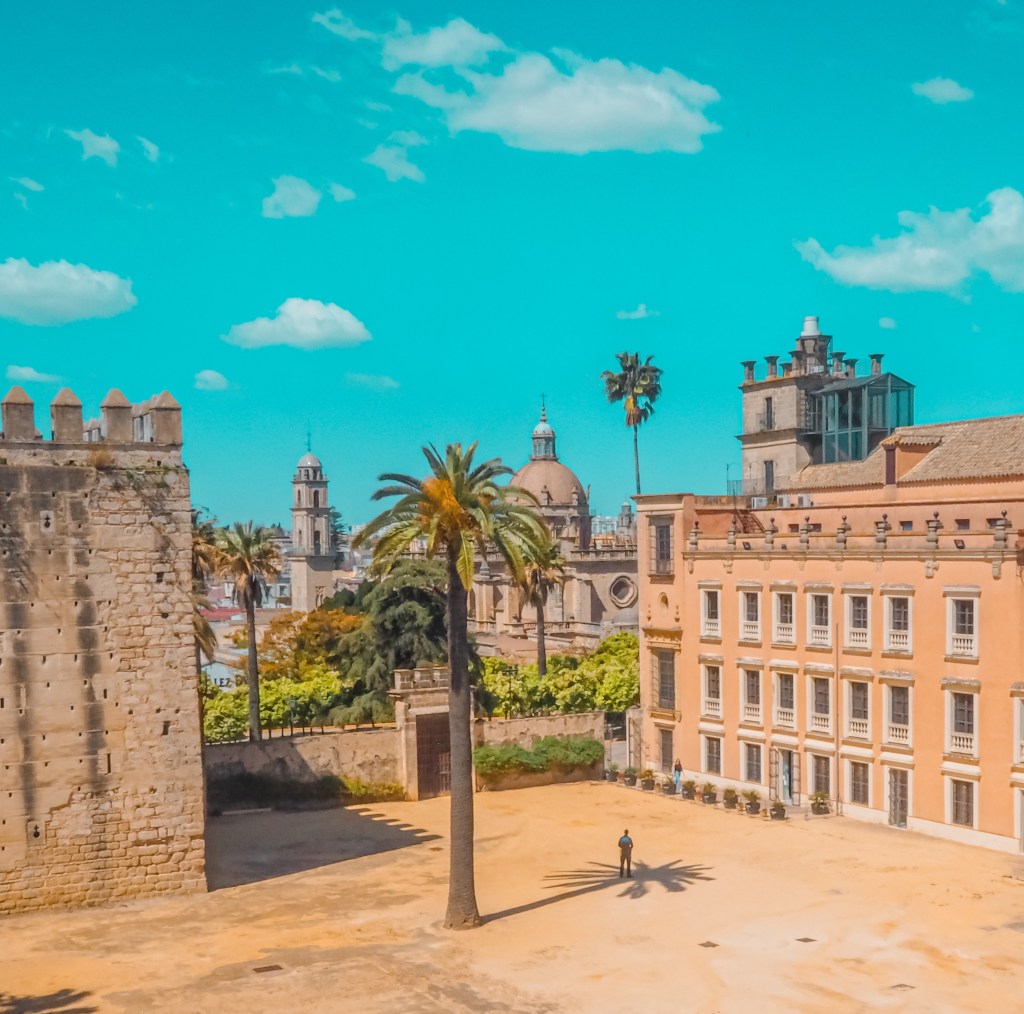
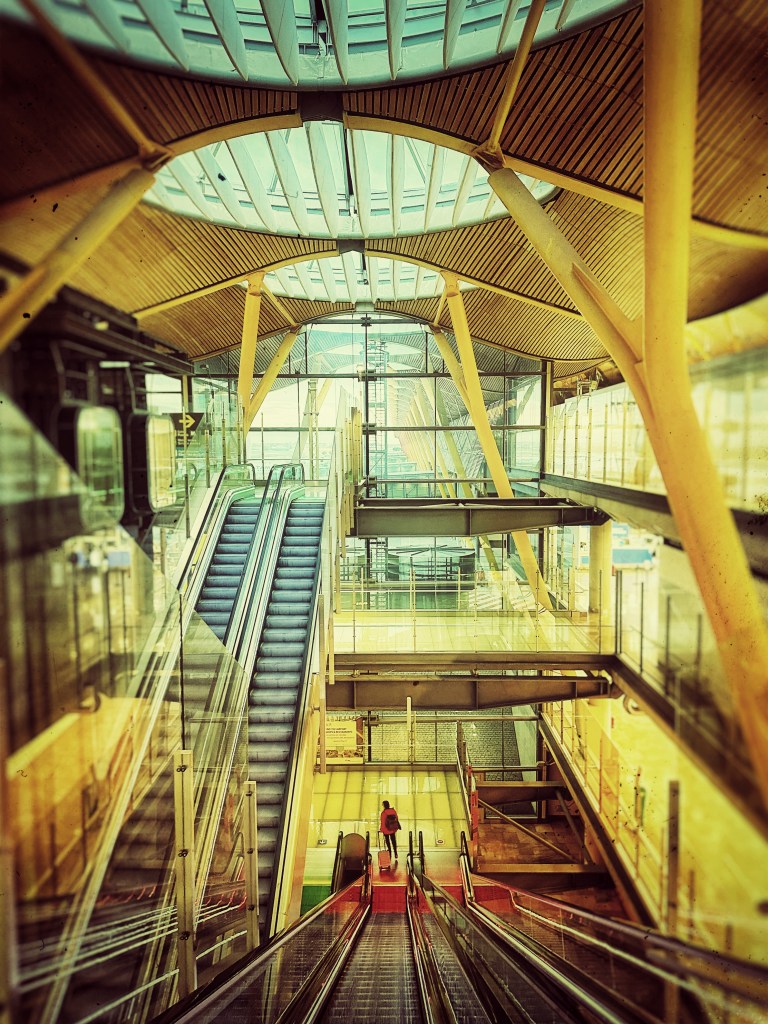
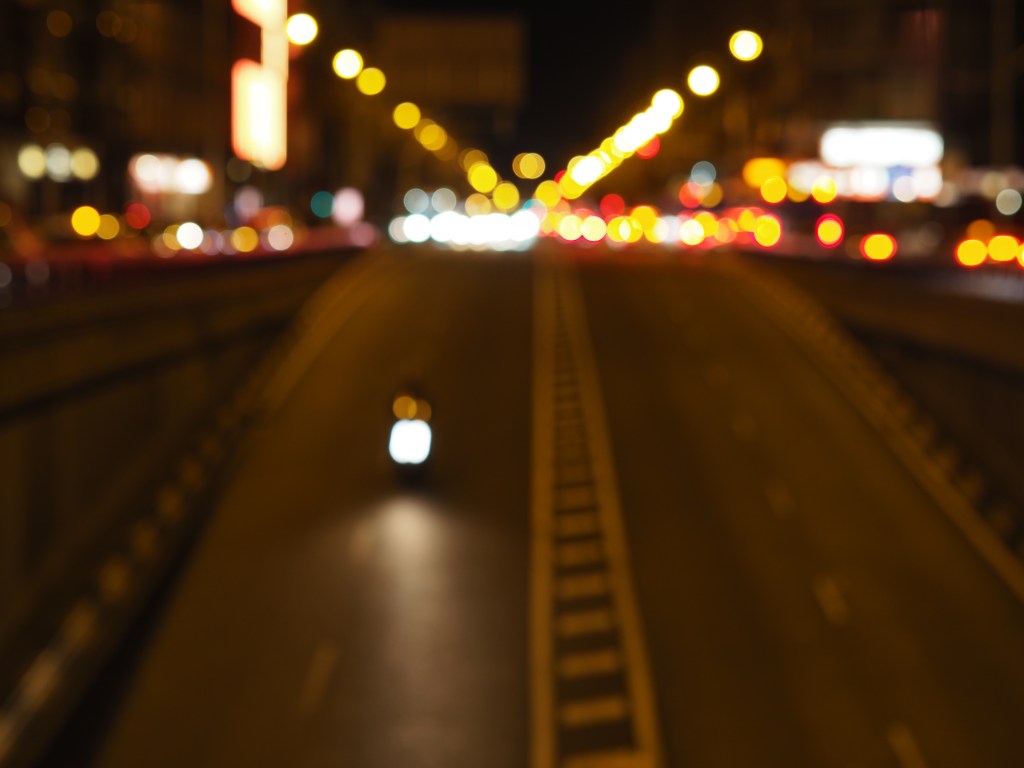
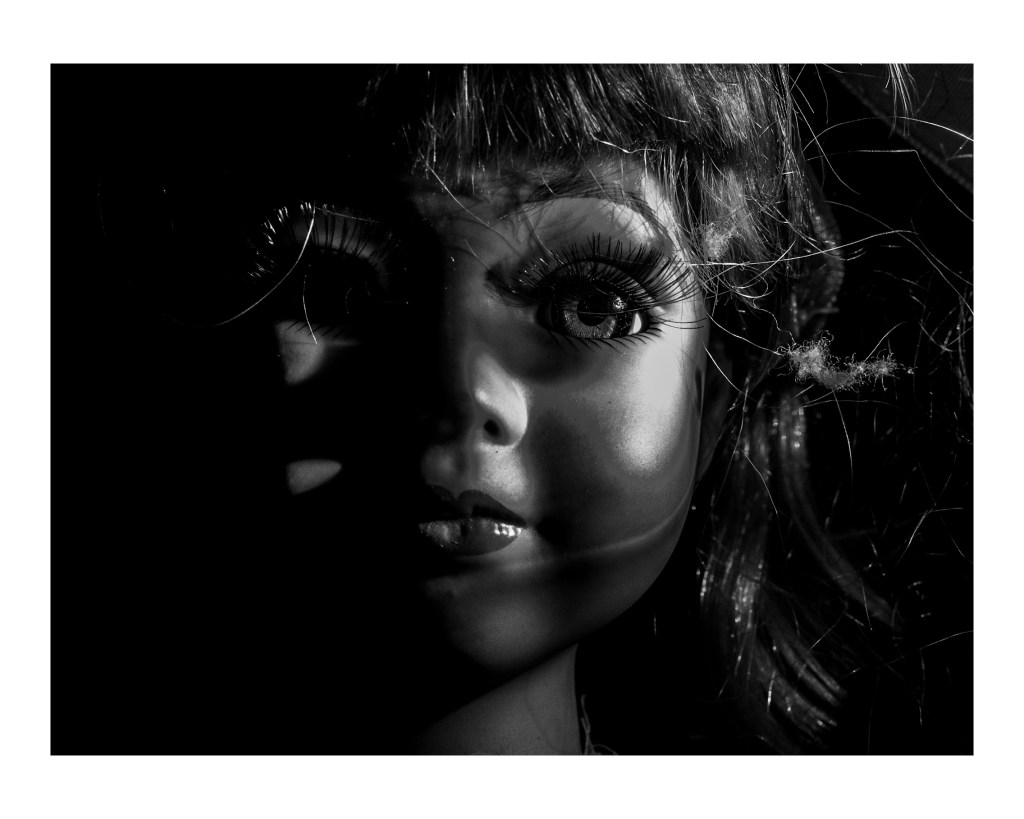
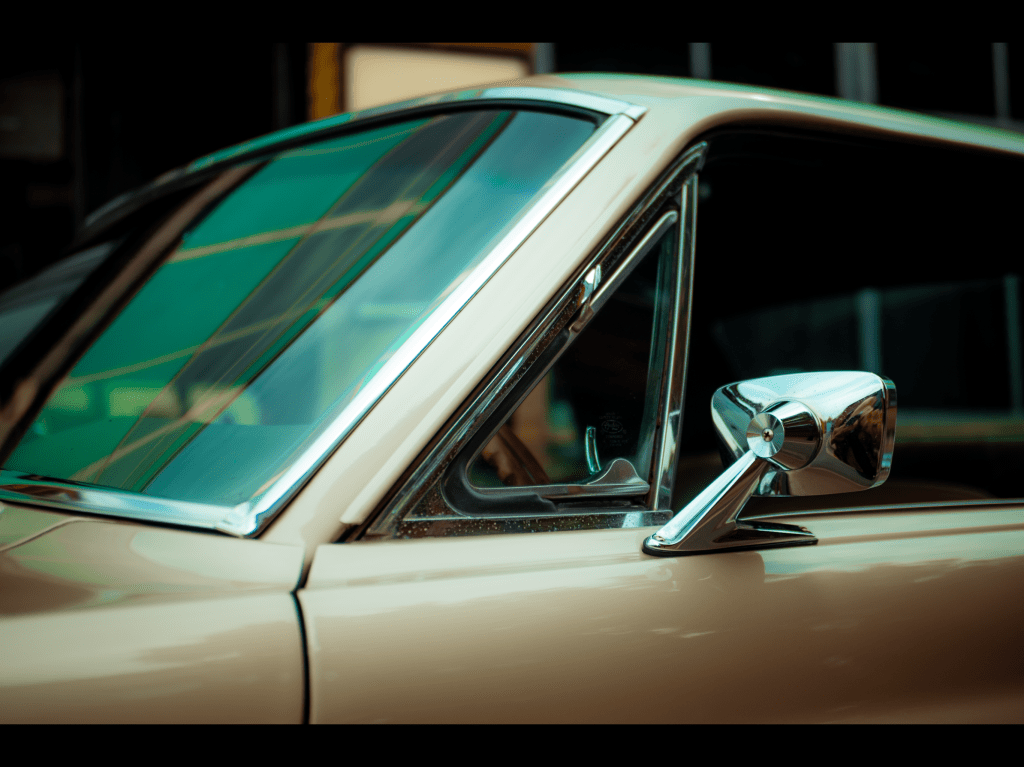
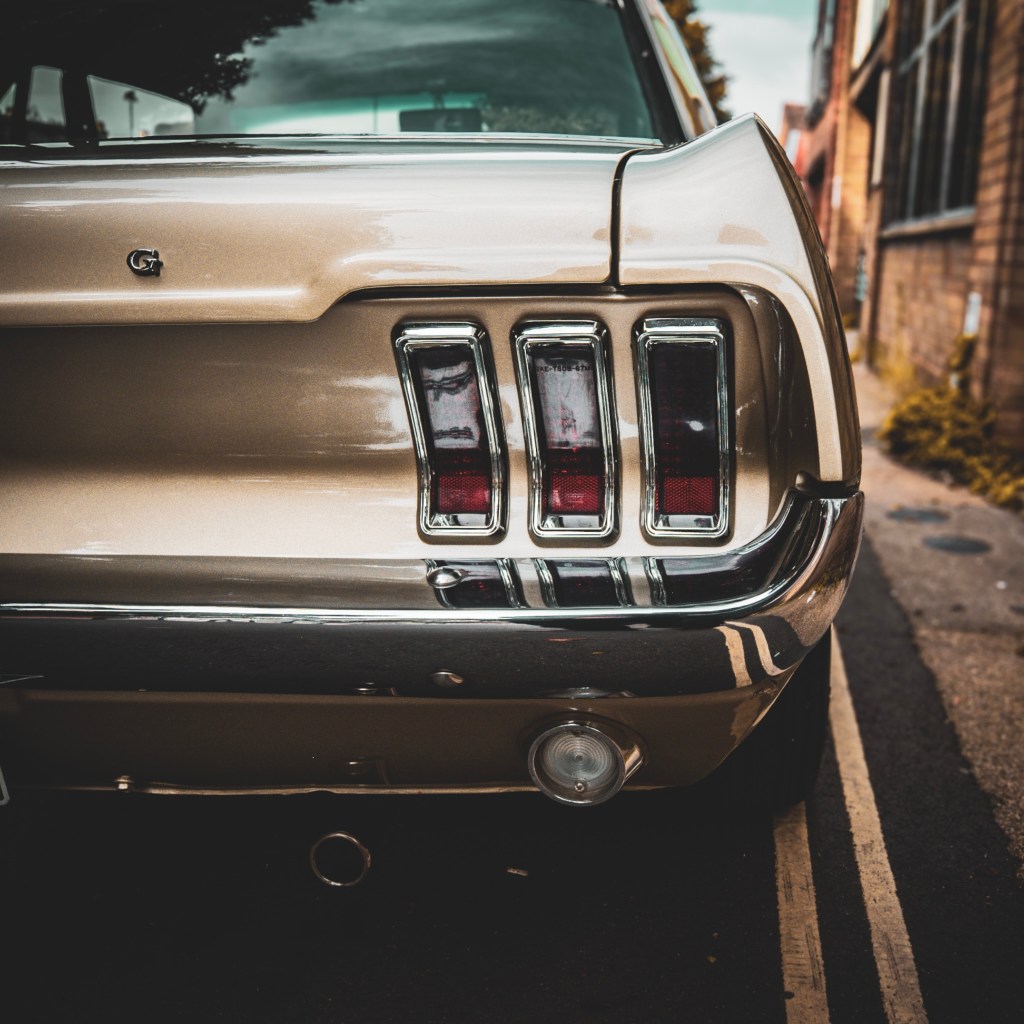
Here are my pictures. Some aim to fit Wim Wenders “Every photo is the first frame of a movie” others may be in the middle, or at the end.
They are from movies that were never seen. Never released, never made. Scripts not yet written. The stories are for the viewer to construct.





 Nick Inston