The Surrealist Manifesto, primarily written by André Breton in 1924, outlined the principles and goals of the Surrealist movement.
Advocating for the liberation of the human mind from rational constraints and societal norms, emphasizing the exploration of dreams, the unconscious, and the irrational. Breton called for a new kind of art that transcended logic and embraced spontaneity, imagination, and the bizarre.
Surrealism encompasses various styles and approaches, reflecting diverse interpretations such as :
- Automatic Surrealism: Focuses on spontaneous creation, allowing the subconscious to guide the artist’s hand without conscious control, often resulting in dream-like imagery.
- Dream Surrealism: Draws directly from the imagery and narratives of dreams, using bizarre combinations and transformations to evoke a sense of the uncanny.
- Dada-influenced Surrealism: Merges elements of Dadaism, emphasizing absurdity and anti-art sentiments, often employing collage and ready-made objects.
- Psychological Surrealism: Explores the depths of the human psyche, drawing on Freudian concepts to delve into desires, fears, and inner conflicts.
- Social Surrealism: Uses surrealist techniques to critique social and political issues, blending fantastical elements with commentary on reality.
- Magical Realism: Though distinct, it shares surrealism’s blending of the ordinary and extraordinary, often infusing realistic settings with magical elements.
“What is true is not always the same as what is true.”
Rene Magritte
Surrealist photography emerged as a vital expression of the surrealist movement, using techniques to create dreamlike, imaginative, and often bizarre images. Key characteristics include:
- Photomontage: Combining multiple photographs into a single image to create unexpected juxtapositions and altered realities.
- Double Exposure: Layering images to produce a single photograph that conveys multiple meanings or a sense of ambiguity.
- Manipulation: Altering photographs through techniques like solarization or hand-painting to distort reality and evoke surreal effects.
- Dream Imagery: Capturing scenes that mimic dream logic, featuring unusual compositions or subjects that challenge perceptions.
- Symbolism: Incorporating symbolic objects or motifs that reflect the subconscious mind, personal experiences, or collective dreams.


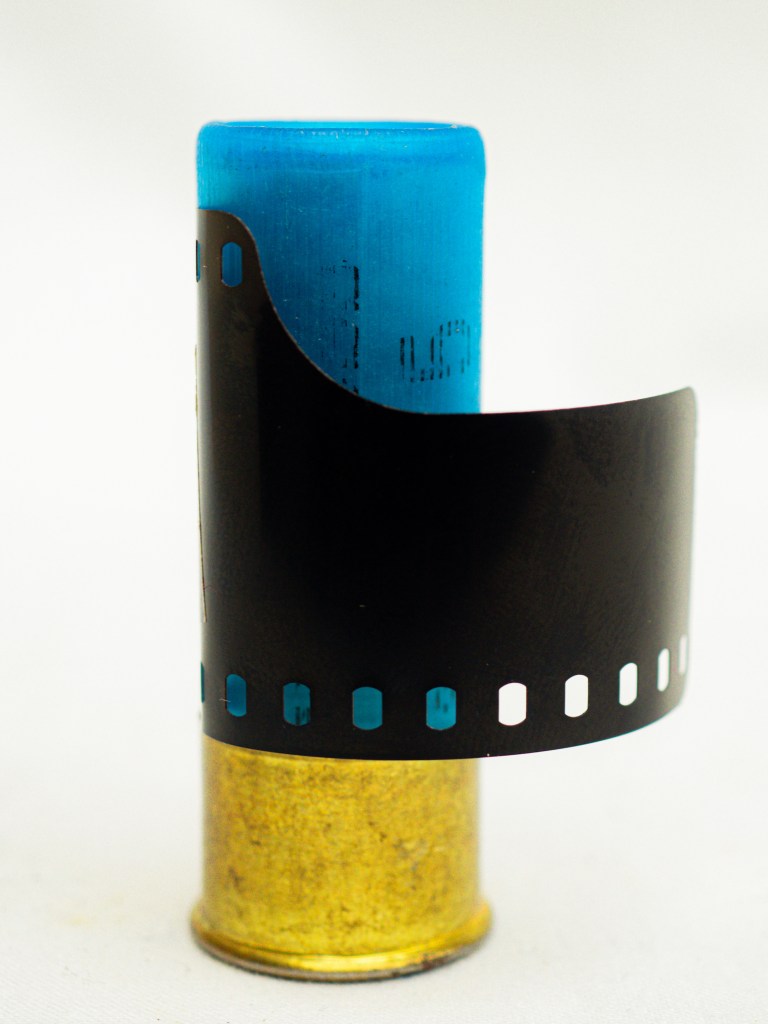
 Nick Inston